
A Little Gift for Our AdesiivoStudio Family
Some of childhood's most meaningful memories don't come from big plans, expensive outings, or perfectly scheduled weekends. They often begin in the quiet corners of home: a blanket turned into a tent, a bedtime story told with funny voices, tiny hands mixing colours at the kitchen table, or a bedroom wall becoming the backdrop for a child's imagination.
This guide was created for the parents we serve every day. The ones decorating nurseries, naming bedroom corners and trying to make home feel a little more magical without making life more complicated. Each of the ten activities below is simple, flexible, and designed to help you connect with your child through play, creativity, storytelling, movement and small rituals that quietly become family traditions.
You don't need a perfect playroom. You don't need expensive materials. You only need a little intention, a few everyday objects and the willingness to slow down long enough to be fully present.
You can read the full guide right here on our blog. And if you'd like a beautifully designed printable version to keep on your kitchen counter, scroll to the bottom for the free PDF download.
Before You Begin: Six Gentle Reminders
These reminders apply to every activity in the guide. Read them once, then forget about them. They'll quietly do their work in the background while you play.
- Don't aim for perfection. The most memorable activities are rarely the cleanest or most polished. Let the moment be real.
- Adapt everything to your child's age. A baby may explore with textures and sounds. A toddler may pour, stack and repeat. An older child may design, invent, write and lead.
- Prepare materials before you invite your child. A small tray, basket, towel or table setup makes the activity feel intentional and keeps the process calmer.
- Let your child lead part of the process. Ask simple questions like, "What should happen next?" or "Which colour should we try?" This builds confidence and ownership.
- Take one photo if you want to remember it. Not for perfection. Not for social media pressure. Just one small memory of this season of childhood.
- Create a repeatable corner at home. A little table, reading basket, bedroom nook or floor mat can become your family's cosy activity space.
Activity 1: The Little Hands Discovery Bin
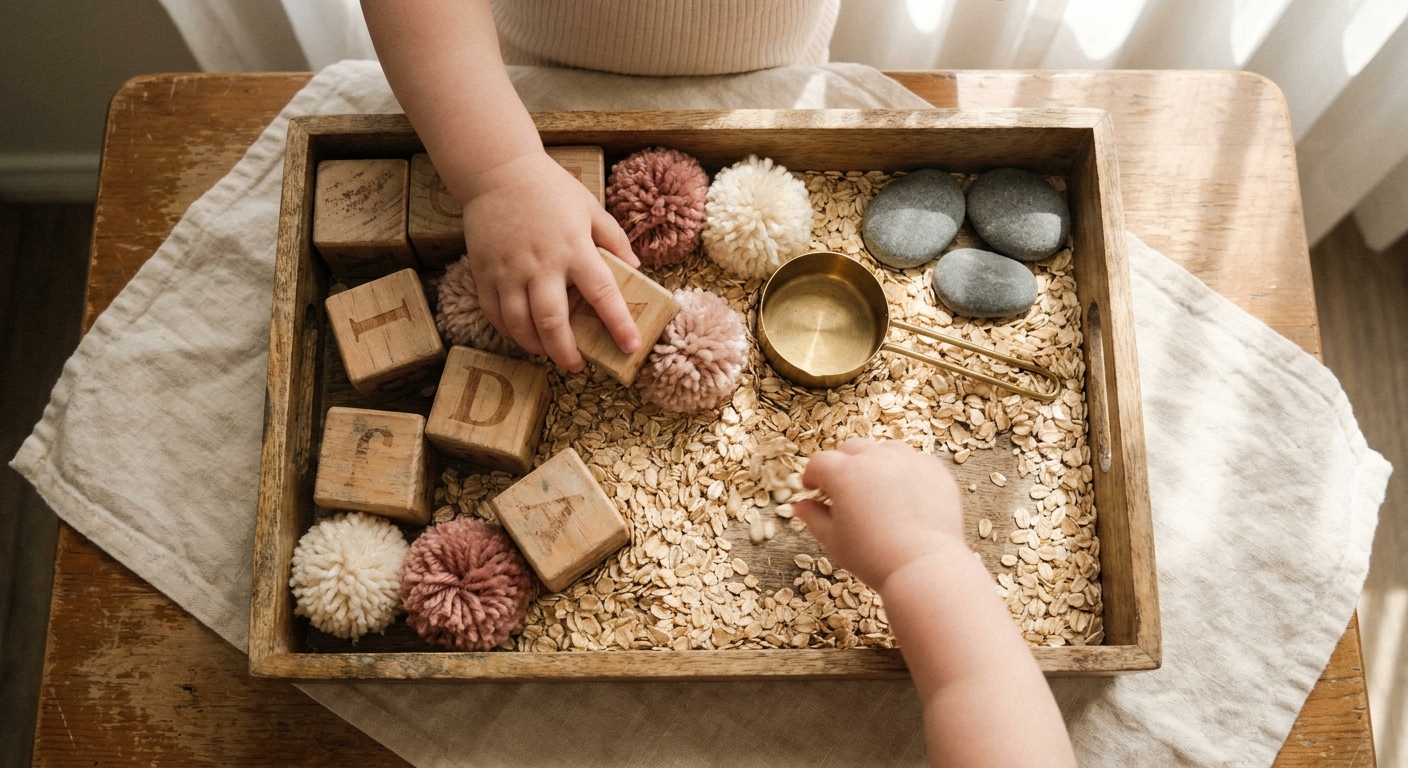
Best for babies 6+ months (with close supervision), toddlers, preschoolers, and kids up to 6. Time needed: 15–30 minutes. Mess level: medium.
It turns simple household items into a calm, focused activity that supports sensory exploration, fine motor skills, language development and emotional regulation. Children love touching, scooping, hiding, finding, pouring and repeating. And the bin can be refreshed by simply changing the colours, textures or theme.
Use a shallow bin or tray, dry rice or oats or pasta as a base, measuring cups and small containers, large child-safe toys to hide, and a towel underneath to catch what falls out.
- Choose a base material safe for your child's age. For babies, use sealed sensory bags or large fabric textures instead of loose small items.
- Place the bin on a low table or towel-covered floor and add 5–8 larger objects to discover.
- Introduce slowly: "Let's see what your hands can find." Then let your child explore before giving instructions.
- Add language as you go: "soft," "smooth," "full," "empty," "under," "inside," "more."
- Invite sorting: "Can we put all the blue pieces here?"
- When attention fades, offer one final challenge: "Let's find three treasures before we clean up."
Activity 2: The Sink-or-Float Kitchen Lab
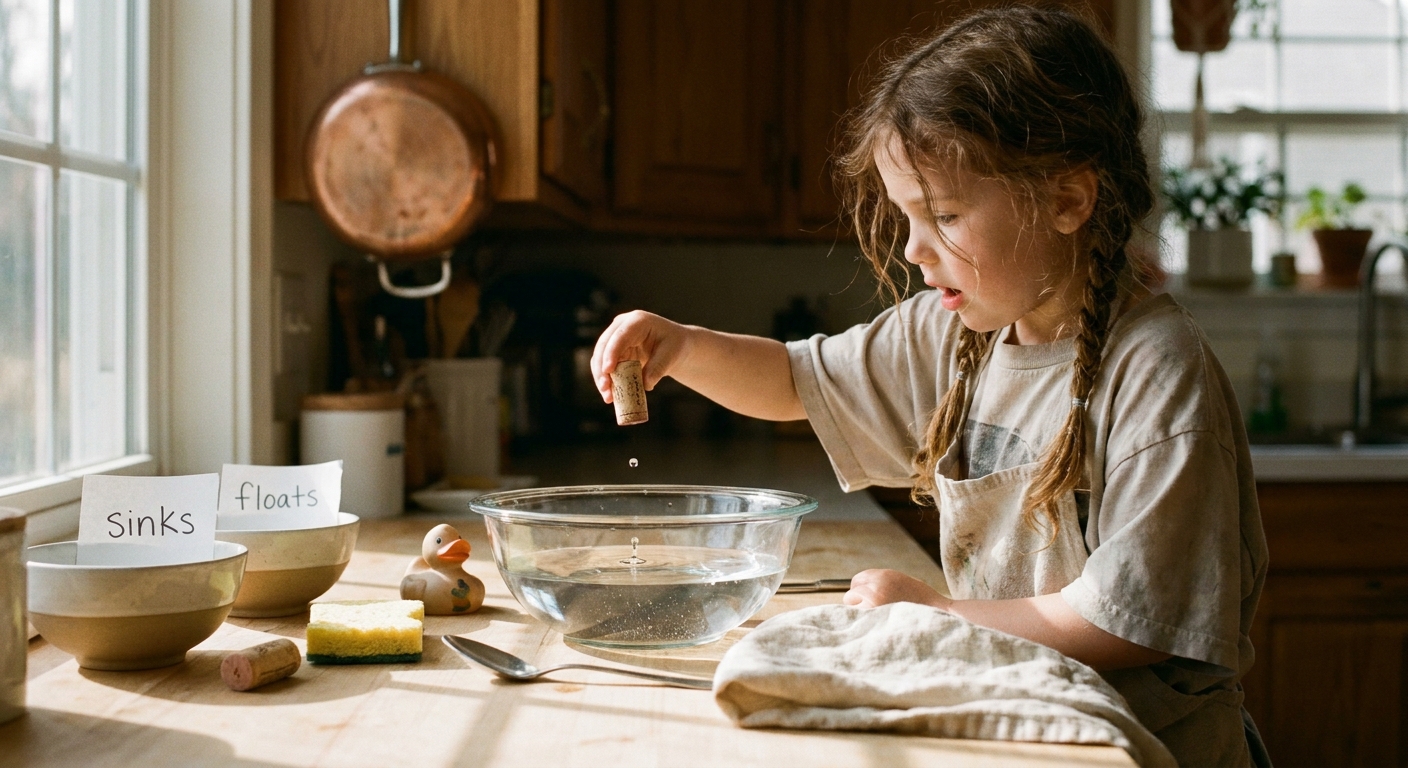
Best for toddlers 2+, preschoolers and kids 6–10. Time needed: 20–35 minutes. Mess level: medium to high.
It feels playful but quietly introduces early scientific thinking (observation, prediction, cause and effect) without worksheets or pressure.
You will need a large bowl or shallow sink with water, a towel underneath, household objects of different weights and shapes (cork, spoon, sponge, plastic lid, leaf, rock, wooden block), and two bowls labelled "Sinks" and "Floats."
- Hold up one object and ask, "Do you think it will sink or float?"
- Let your child place the object in the water and observe before naming the result.
- Sort it into the right bowl. Repeat with each object, giving your child time to predict.
- For older kids, ask: "What do the floating objects have in common?"
- End by inviting your child to build a small foil boat and test how much weight it can hold.
Activity 3: The Family Colour Story Collage
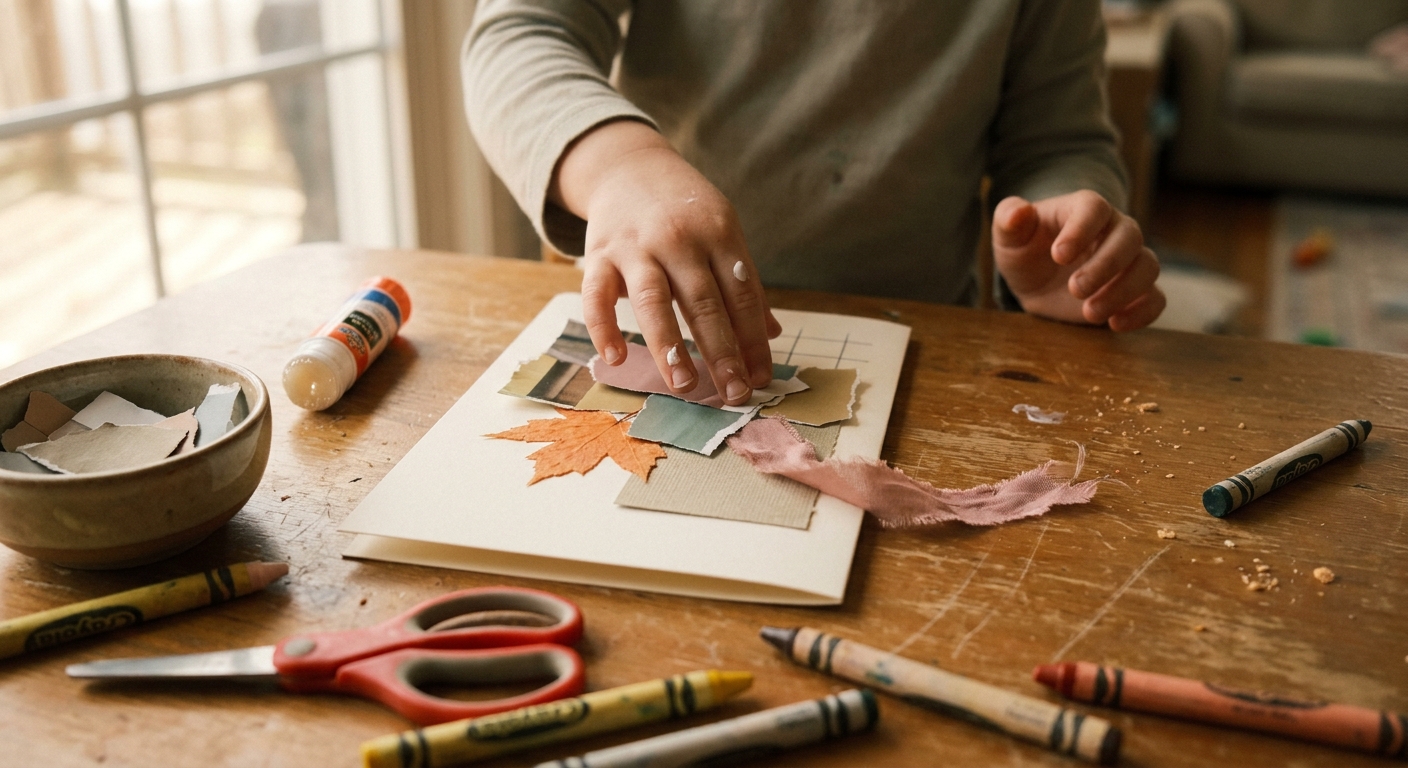
Best for toddlers 2+, preschoolers and kids 6–10. Time needed: 30–45 minutes. Mess level: medium.
It transforms paper scraps, magazines, fabric and old drawings into a personal piece of family art that's creative, calm and meaningful enough to display.
You will need cardstock or thick paper, child-safe scissors, a glue stick, old magazines, wrapping paper, fabric scraps, stickers, photos, ribbons and crayons.
- Choose a simple theme: "Our cosy home," "My favourite things," "A day with you," or "My dream room."
- Place materials in small bowls or trays so the setup feels inviting.
- Let your child choose a background colour, then pick textures and pictures that match the theme.
- Help cut or tear pieces depending on their skill level.
- Arrange everything before gluing. Ask, "Where should this memory go?"
- Add a title, date or short sentence at the bottom, and write their explanation on the back.
Activity 4: The Tiny Home Art Gallery
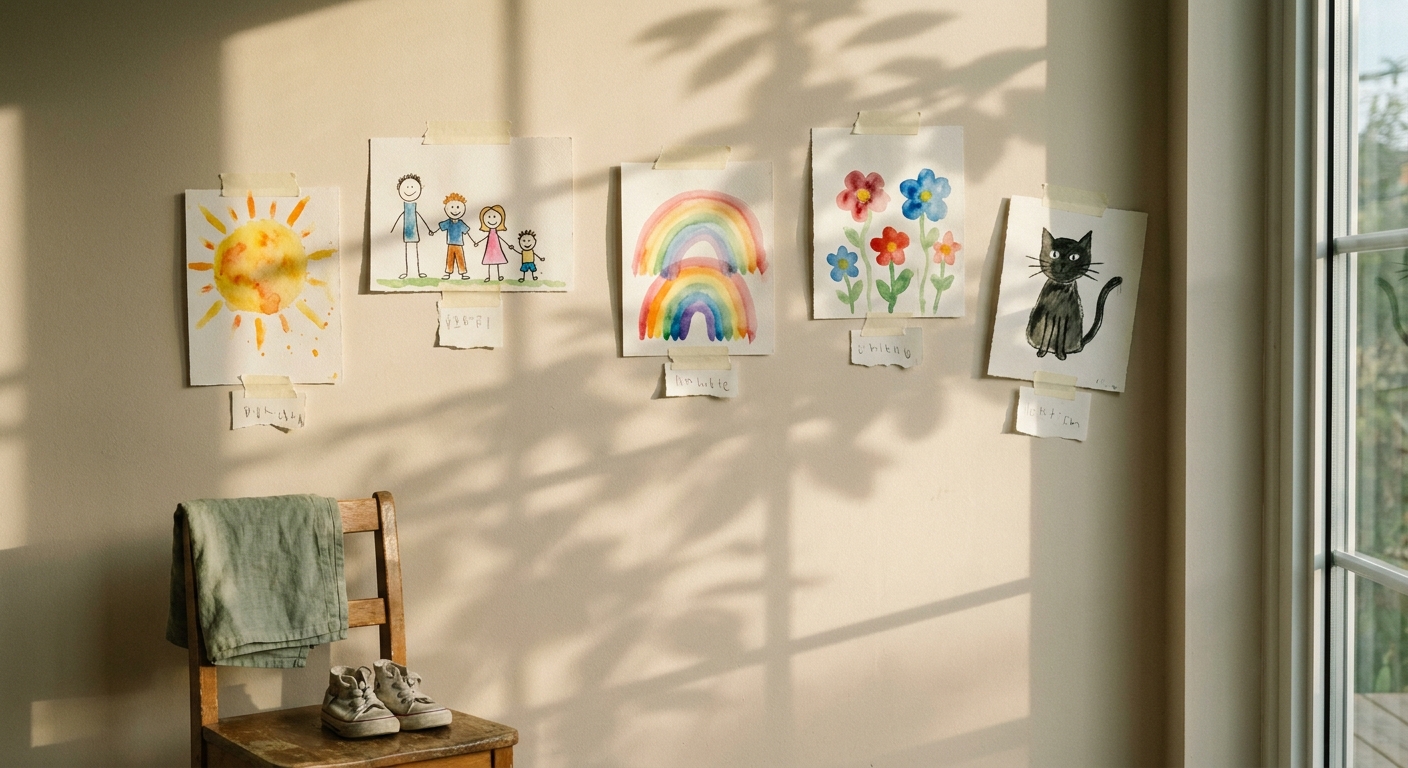
Best for toddlers 18 months+, preschoolers and kids 6–10. Time needed: 30–60 minutes. Mess level: medium to high.
It gives children a sense of pride by treating their art as something worthy of display. Children love seeing their work presented like real artwork. It makes them feel capable, seen and celebrated.
Use paper or cardstock, watercolours or washable paint or crayons, painter's tape, clothespins or string or simple frames, a damp cloth and optional small title cards.
- Pick one art style for the day: watercolour washes, crayon shapes, handprints, dot painting or mixed media.
- Give your child a gentle prompt: "Paint how today feels," "Make a sky for your room," or "Create a picture for bedtime."
- Let them create without correcting the result. The goal is expression, not technique.
- Ask them to name the artwork. Write the title exactly as they say it.
- Choose a display area together: bedroom wall, hallway, reading corner or above a small shelf.
- Turn off overhead lights and use a small lamp for a "gallery opening." Invite family members to walk through and ask kind questions.
Activity 5: The Story Basket
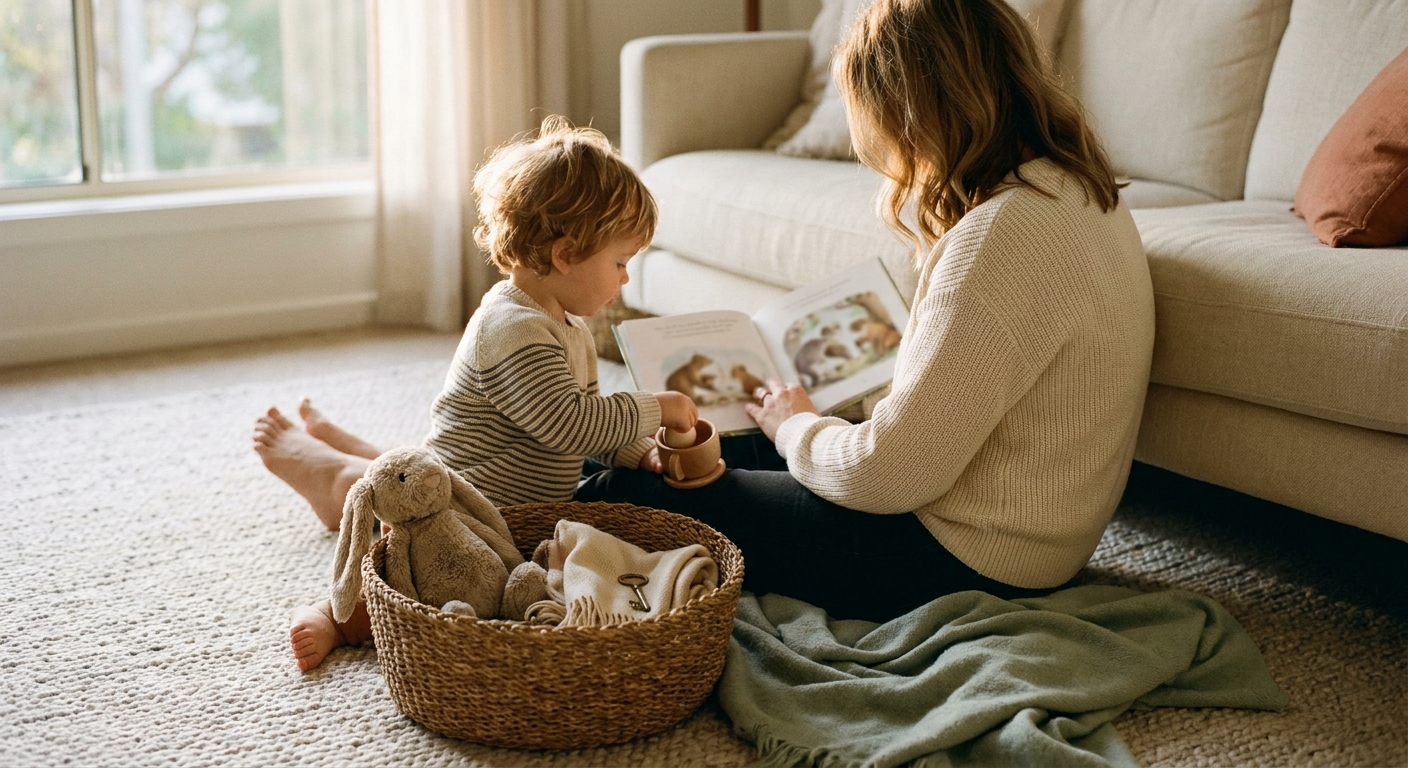
Best for babies, toddlers, preschoolers and kids up to 8. Time needed: 15–30 minutes. Mess level: low.
It turns reading into an intimate, interactive ritual instead of a task. Especially helpful for children who don't want to sit still for a full book.
Choose one picture book and gather 3–6 objects related to its themes. They don't need to match perfectly. Add a small basket, a blanket or cushion, and optional extras like a stuffed animal, scarf or family photo.
- Place the book and objects in a basket before reading time.
- Invite your child to pull out one object before you begin.
- Read slowly, pausing when an object connects to the page.
- Let your child hold, move or act with the object while you read.
- Ask gentle questions: "Where should this go?" or "What do you think happens next?"
- After reading, invite your child to retell the story using only the objects.
Activity 6: The Living Room Story Theatre
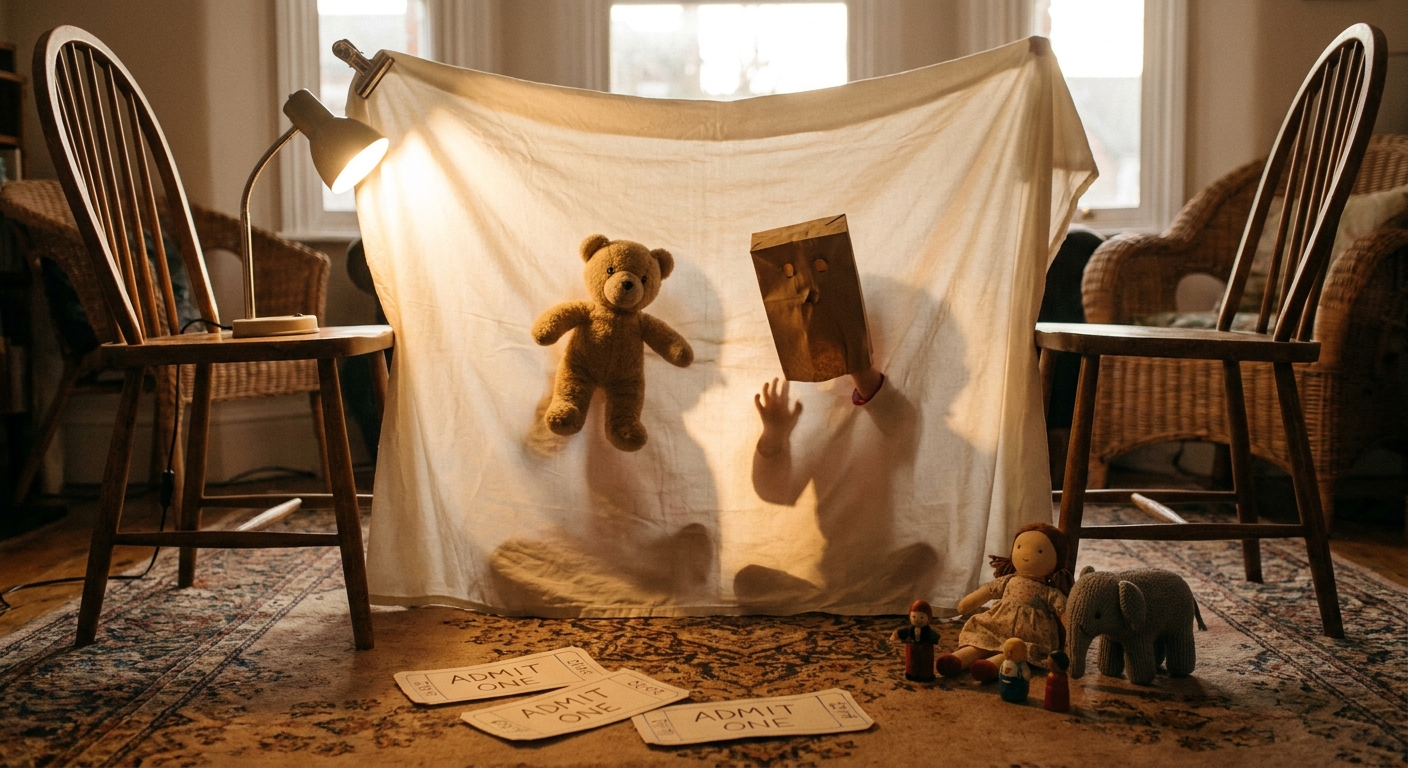
Best for preschoolers 3+ and kids 6–10. Time needed: 30–60 minutes. Mess level: low to medium.
It encourages storytelling, confidence, humour and collaboration. And it creates a beautiful family moment without screens.
You only need a blanket or sheet, two chairs or a couch, stuffed animals or paper puppets, paper and crayons, and optional extras like a torch, music or simple costume pieces.
- Create a simple stage using a blanket draped between two chairs.
- Choose the cast: stuffed animals, paper puppets, socks or toys.
- Pick a story starter: "Once there was a tiny door…" or "The moon forgot to shine…"
- Decide on three parts: beginning, problem, ending.
- Let your child lead the performance while you support with questions or sound effects.
- Save the paper ticket or write down the funniest line from the show.
Activity 7: The Soft Adventure Obstacle Course
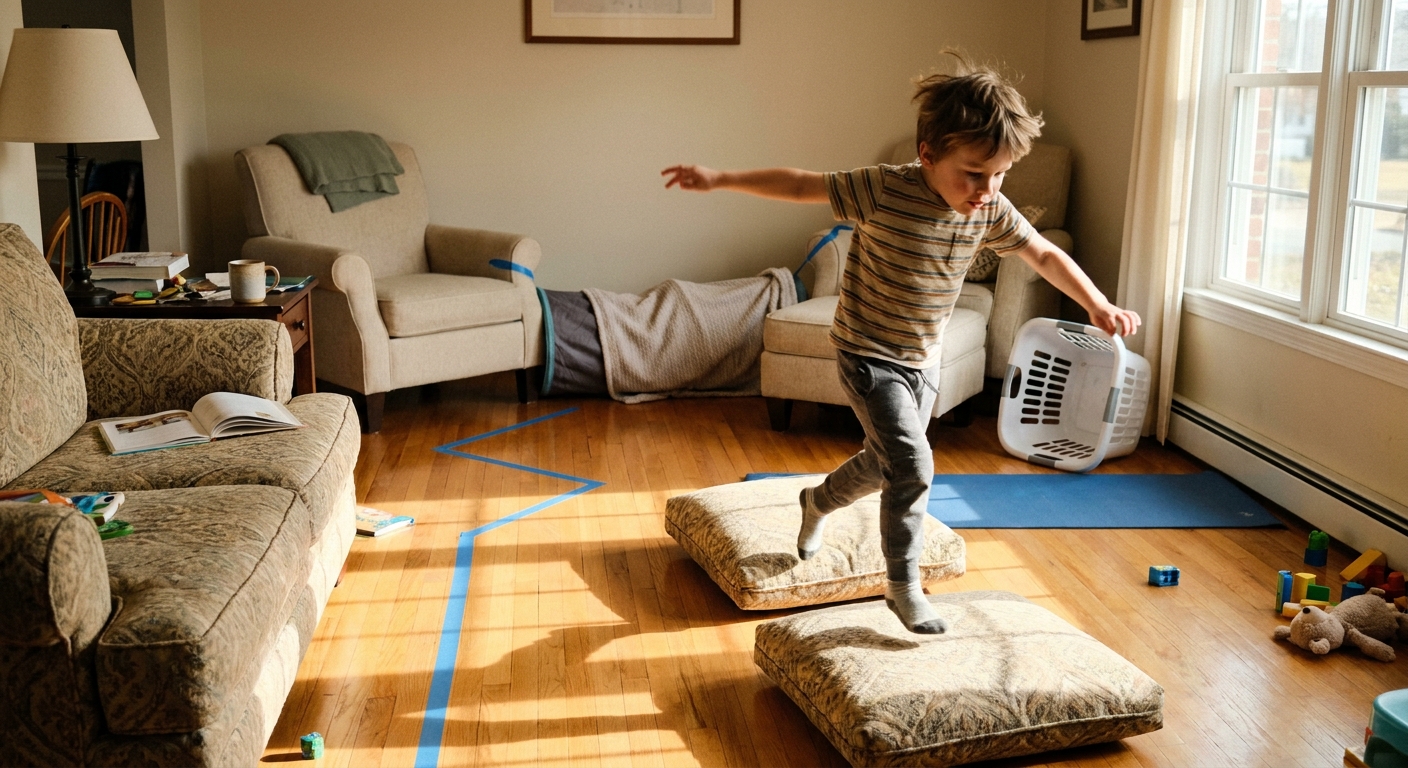
Best for toddlers 1+, preschoolers and kids up to 8. Time needed: 20–40 minutes. Mess level: medium.
It helps children release energy indoors while still feeling structured and safe. Perfect for rainy days, cold mornings or moments when everyone needs movement.
Use pillows, blankets, painter's tape, couch cushions, a laundry basket, stuffed animals and optional extras like a timer, paper arrows, a tunnel or a yoga mat.
- Move sharp or fragile items away from the play space.
- Create 4–6 stations: crawl under a blanket, jump over pillows, balance on tape, toss a stuffed animal into a basket, roll on a mat, step across "islands."
- Demonstrate the course slowly once.
- Add a story: "We are crossing the cosy jungle to rescue the sleepy bear."
- Repeat the course, changing one station each round.
- Finish with a calm landing zone: pillow rest, deep breaths or a short story.
Activity 8: The Family Dance & Freeze Parade
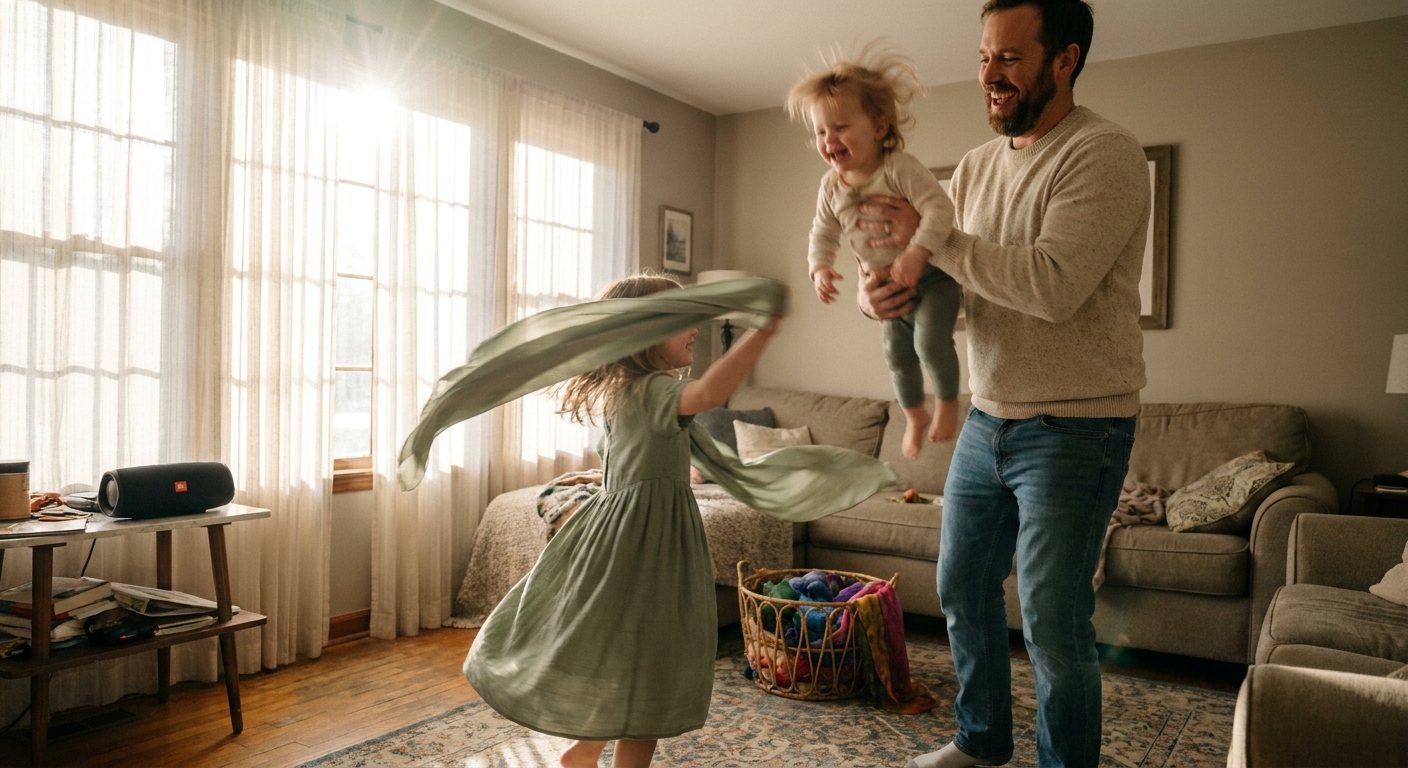
Best for toddlers 1+, preschoolers and kids up to 10. Time needed: 10–25 minutes. Mess level: low.
It requires almost no setup and instantly shifts the mood of the home. Children get to move freely, be silly, lead the family and feel the excitement of stopping and starting.
You need music, open floor space and optional extras like scarves, ribbons, hats or homemade shakers.
- Clear a small safe space in the living room or bedroom.
- Start with a family parade around the room. Let your child lead.
- Pause the music and call "freeze." Everyone stops in a funny pose.
- Add movement prompts: "Move like a cloud," "Walk like a bear," "Float like a balloon."
- Let your child choose the next movement.
- End with the slowest song and one big family hug or high-five.
Activity 9: "This Is My Corner" Bedroom Nook
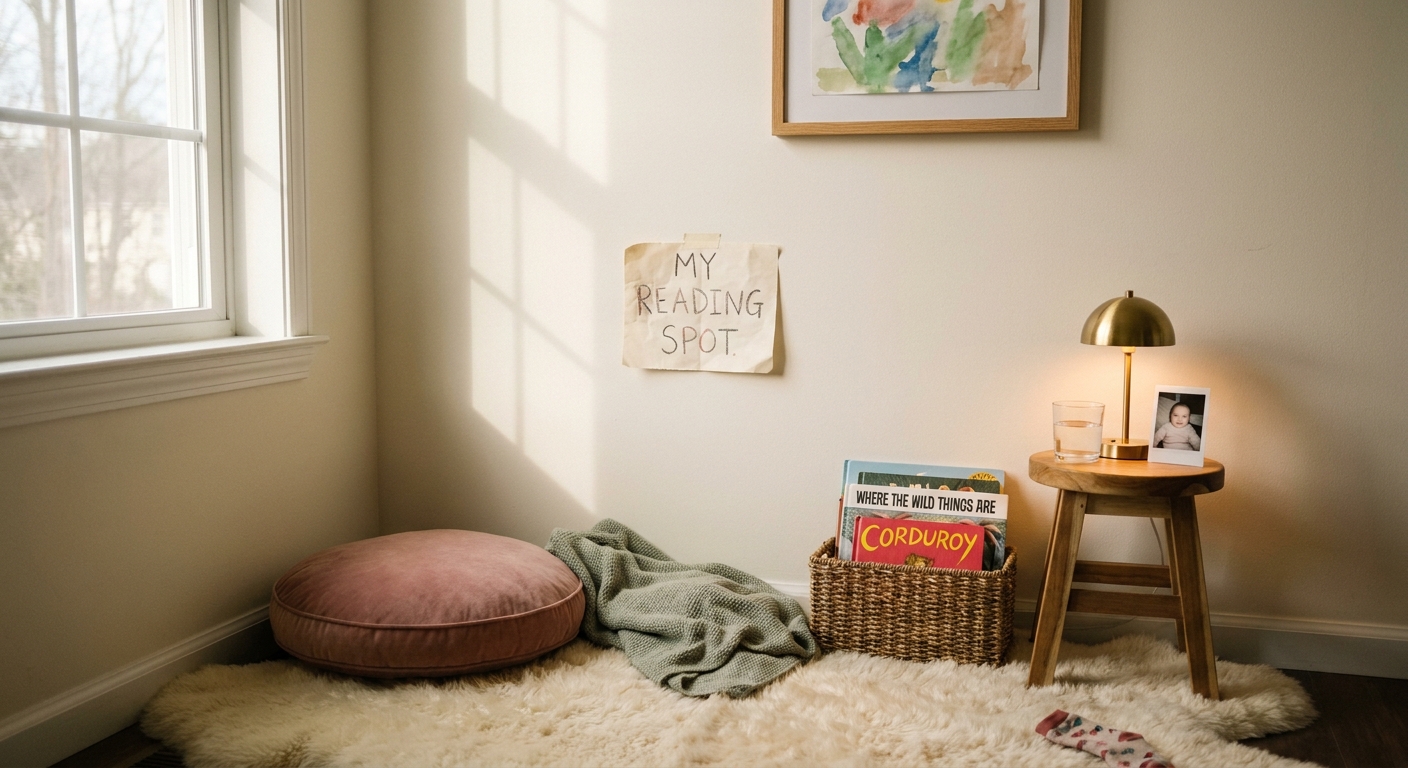
Best for toddlers 2+, preschoolers and kids 6–10. Time needed: 45–90 minutes. Mess level: low to medium.
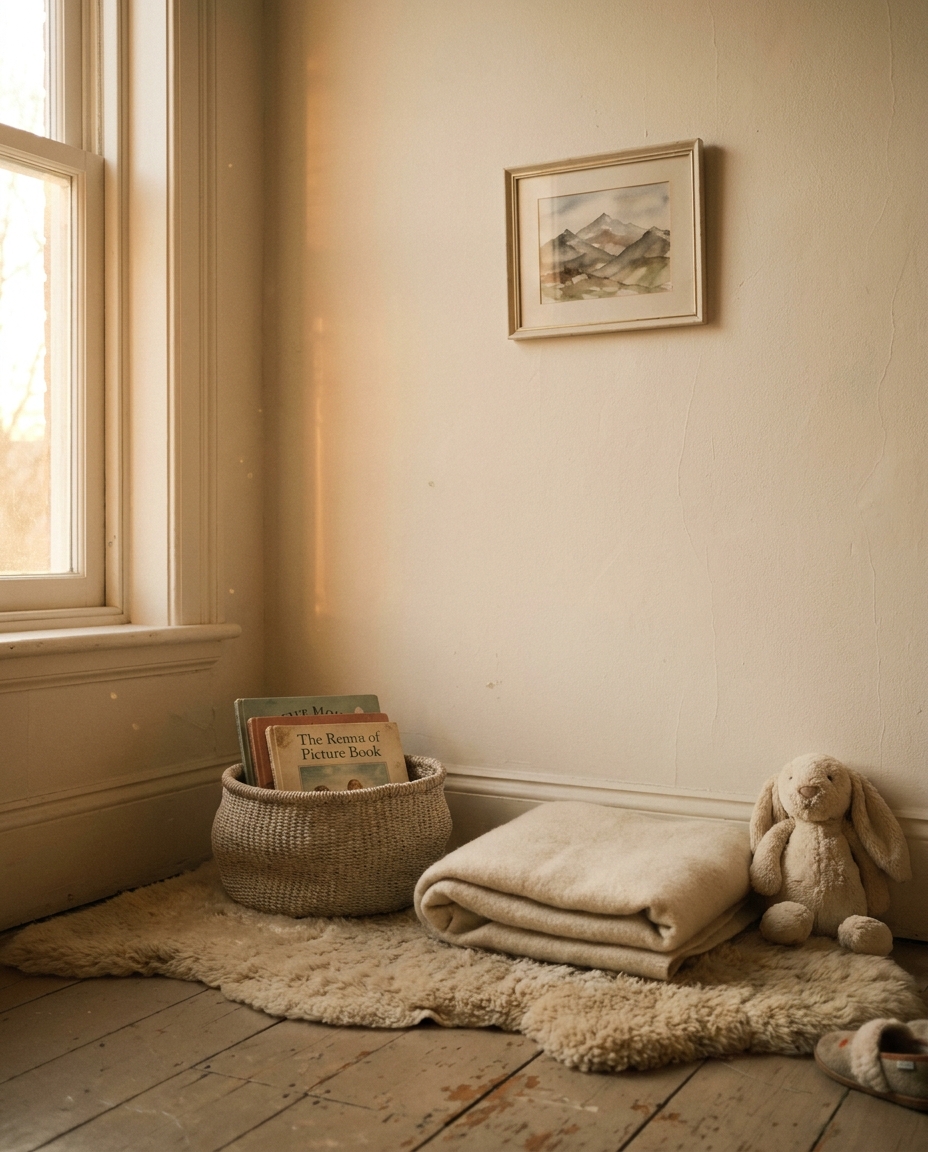
It turns a child's bedroom into a space that feels personal, comforting and intentional. A nook can become a reading spot, calm-down corner, art display, imagination station or bedtime ritual space.
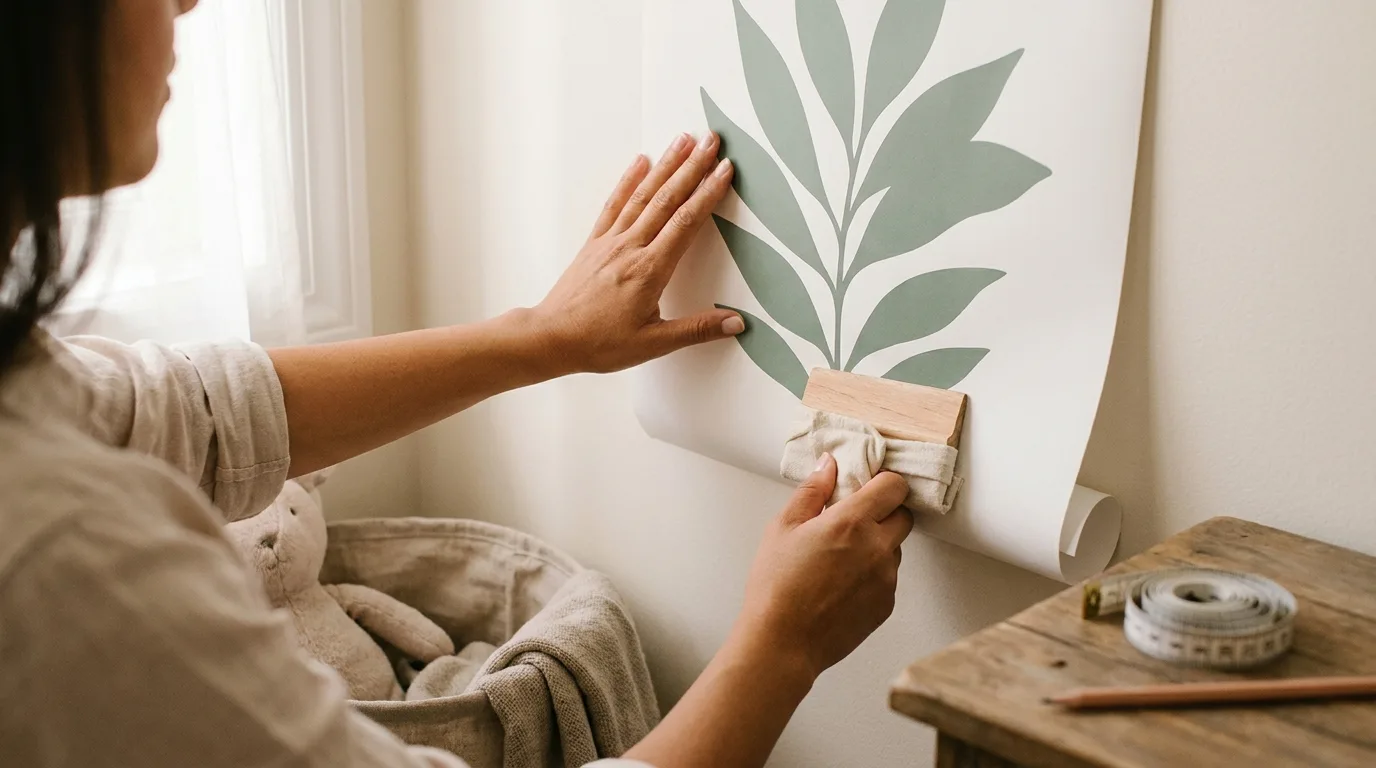
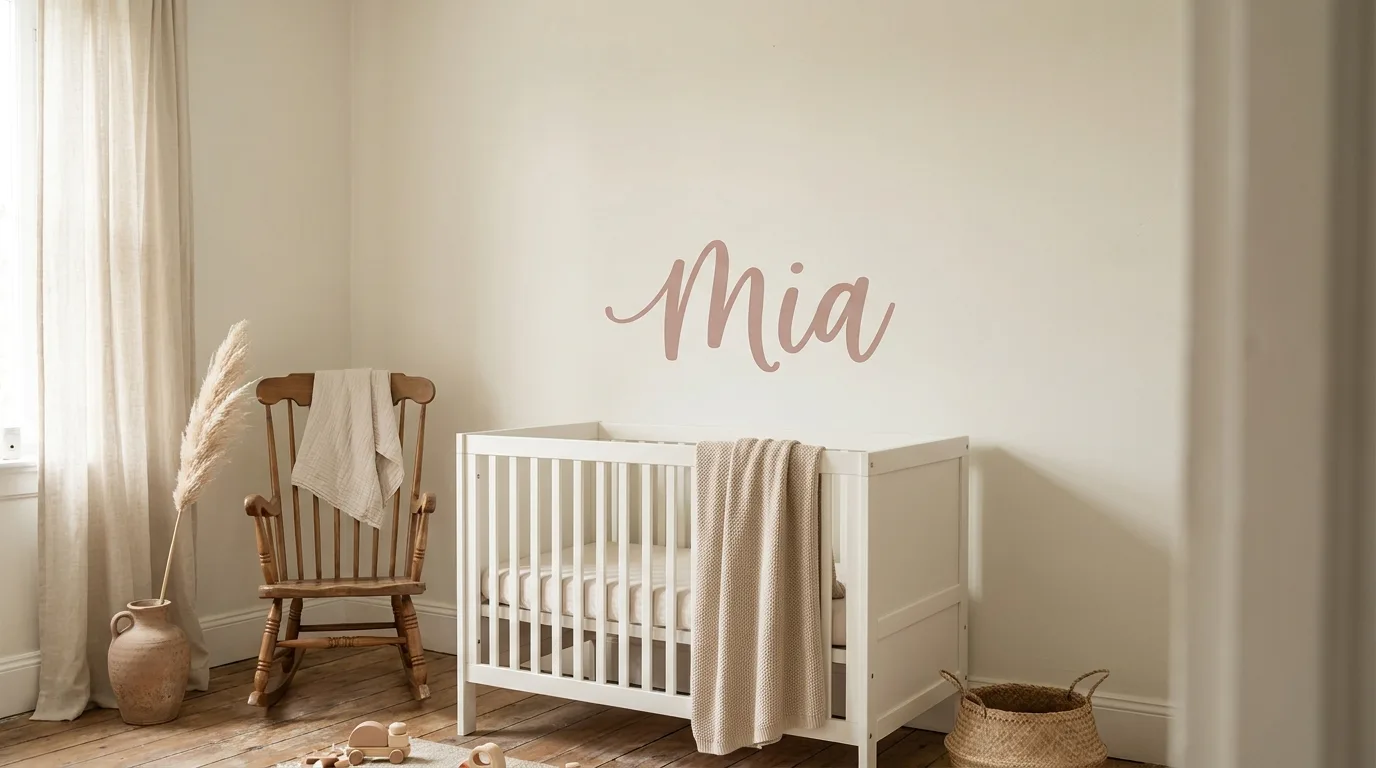
This is where the work we do at AdesiivoStudio quietly becomes part of family life: a custom name sticker above the cushion, a wall sticker that turns the corner into "Theo's Cosy Spot" or "The Reading Cloud."
- Choose a small area: beside the bed, near a window, under a shelf or in an empty corner.
- Remove clutter and start with a clean surface.
- Ask your child what the corner should feel like: cosy, brave, calm, magical, creative, dreamy.
- Add one soft element (cushion, blanket, rug), one practical element (basket of books or toys), and one personal element (their name, artwork or a photo).
- Let your child arrange the final details.
- Name the corner together and add a tiny handwritten sign: "This corner belongs to…"
Activity 10: The Moonlight Memory Jar
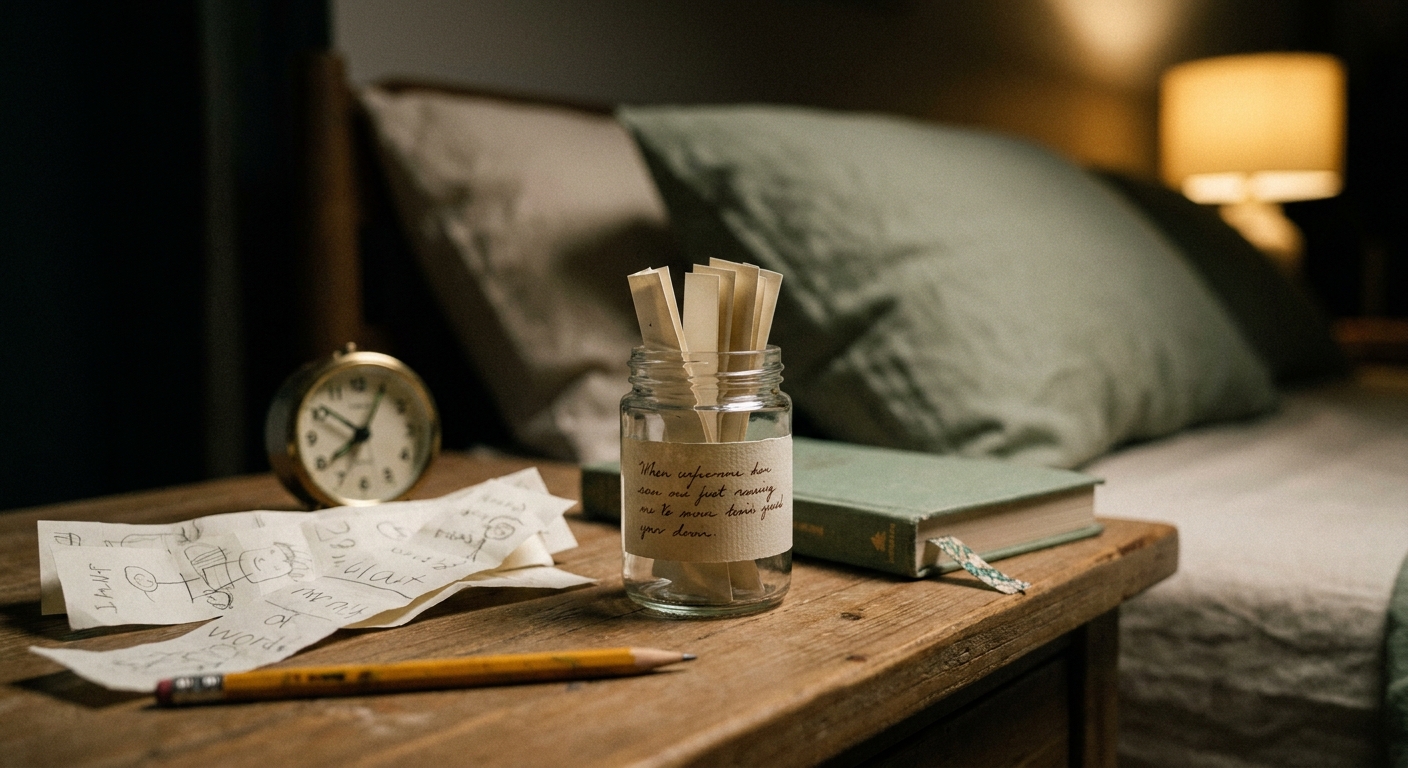
Best for toddlers 2+, preschoolers and kids 6–10. Time needed: 10–20 minutes before bed. Mess level: low.
It creates a peaceful bedtime transition and gives the day a gentle ending. Children love rituals. The jar gives them a place to put their thoughts, wishes, funny memories and little victories.
You need a small jar or box, paper strips, a pencil and optional extras like ribbon, a label, a small envelope or a bedside basket. Use a plastic jar for younger children and avoid glass near the bed.
- Choose a small jar and place it near the bed. Create a label together.
- Each night, ask one gentle question: "What made you smile today?"
- Write your child's answer on a paper strip. Older children can write it themselves.
- Fold the paper and let your child place it inside the jar.
- Add one sentence from you: "I loved watching you…"
- Read one older memory from the jar once a week. At the end of the year, place the notes in an envelope labelled with your child's age.
Turning the Activities Into a Weekly Family Ritual
The beauty of at-home activities is that they don't need to happen every day to matter. A simple weekly rhythm can be more powerful than an ambitious plan that becomes impossible to maintain.
Choose one activity each week and give it a name your child can remember: Story Basket Sunday, Friday Family Gallery, Wednesday Water Lab or Saturday Cosy Corner Time.
Repeat favourites often. Children learn through repetition, and family traditions are usually built from the things children ask to do again and again.
Create a small "home activity shelf" with the basics ready to go: paper, washable paint, glue sticks, crayons, a basket, a towel, a few books and a jar for memories. Use your child's room as the emotional anchor. Their bedroom can hold the artwork, the reading basket, the memory jar, the cosy corner and the little signs of who they're becoming.
The goal isn't to entertain your child constantly. The goal is to create a rhythm of connection they can count on.
Download the Free Printable PDF Guide
We made a beautiful printable version of this guide as a small thank-you to the families who already trust us with their children's rooms, and to the ones who are about to. It includes all 10 activities, the weekly ritual section, a cosy home checklist with space to write your favourite memory of the week, and a list of the research sources we consulted from Harvard Center on the Developing Child, the American Academy of Pediatrics, NAEYC, the CDC, UNICEF, PBS Kids and Reggio Children.
You can find the free download in the link below. Print it, leave it on the kitchen counter, slip it into your child's bedroom drawer or pin a few pages to the fridge. It's yours to keep, share and return to whenever home needs to feel a little more magical.
A child's room is more than a room. It's where stories begin, milestones happen and little personalities grow. That's the work we do every day at AdesiivoStudio. And we're honoured to be a small part of your family's story.
Download the printable PDF guide
A printable version with all 10 activities, the weekly ritual, a cosy home checklist and the full list of research sources. Yours to keep, share and revisit.
Download free PDF